November 11, 2026
A shed can provide valuable storage space, create room for hobbies, or offer a dedicated area for equipment and seasonal belongings. However, the quality of the finished structure depends on more than its appearance or size. Choosing the right shed contractor means evaluating construction quality, communication, available designs, installation practices, and the company's ability to meet your property's requirements. Taking time to compare these details can help you make an informed decision and select a building that suits your needs for years to come.
Evaluating Experience and Building Expertise
Start by reviewing each company's experience with the type of structure you want to add to your property. Some builders focus on compact storage sheds, while others offer larger buildings for equipment, workshops, garages, or multipurpose spaces. A qualified shed contractor should explain the construction methods used for your selected building and how its design supports your intended use. Ask about similar projects, available styles, and features that distinguish the options.
Experience is particularly relevant when your property has specific access or placement requirements. Review project photographs or visit a display location, if available, to examine details such as door placement, rooflines, trim, and interior space. These examples can help you assess whether the company's work matches your expectations. A conversation about previous projects can also clarify whether the builder offers the design flexibility your property requires.
Comparing Materials and Construction Quality
The materials used in a shed influence its appearance, maintenance needs, and ability to withstand the elements. Ask about the siding, roofing, flooring, framing, doors, and hardware included in the proposed design. A shed contractor should explain the available material choices, including differences in upkeep, durability, and cost. Written specifications make it easier to compare estimates and confirm that the building includes the features you need.
Construction quality also depends on how the components are assembled and finished. Look for information about structural support, roof design, floor capacity, weather protection, and door installation. If you plan to store heavy equipment, the floor and access opening should suit the weight and dimensions of those items. Ask how warranties work and which components they cover, so you understand the protection available after installation.
Confirming Design Options and Practical Features
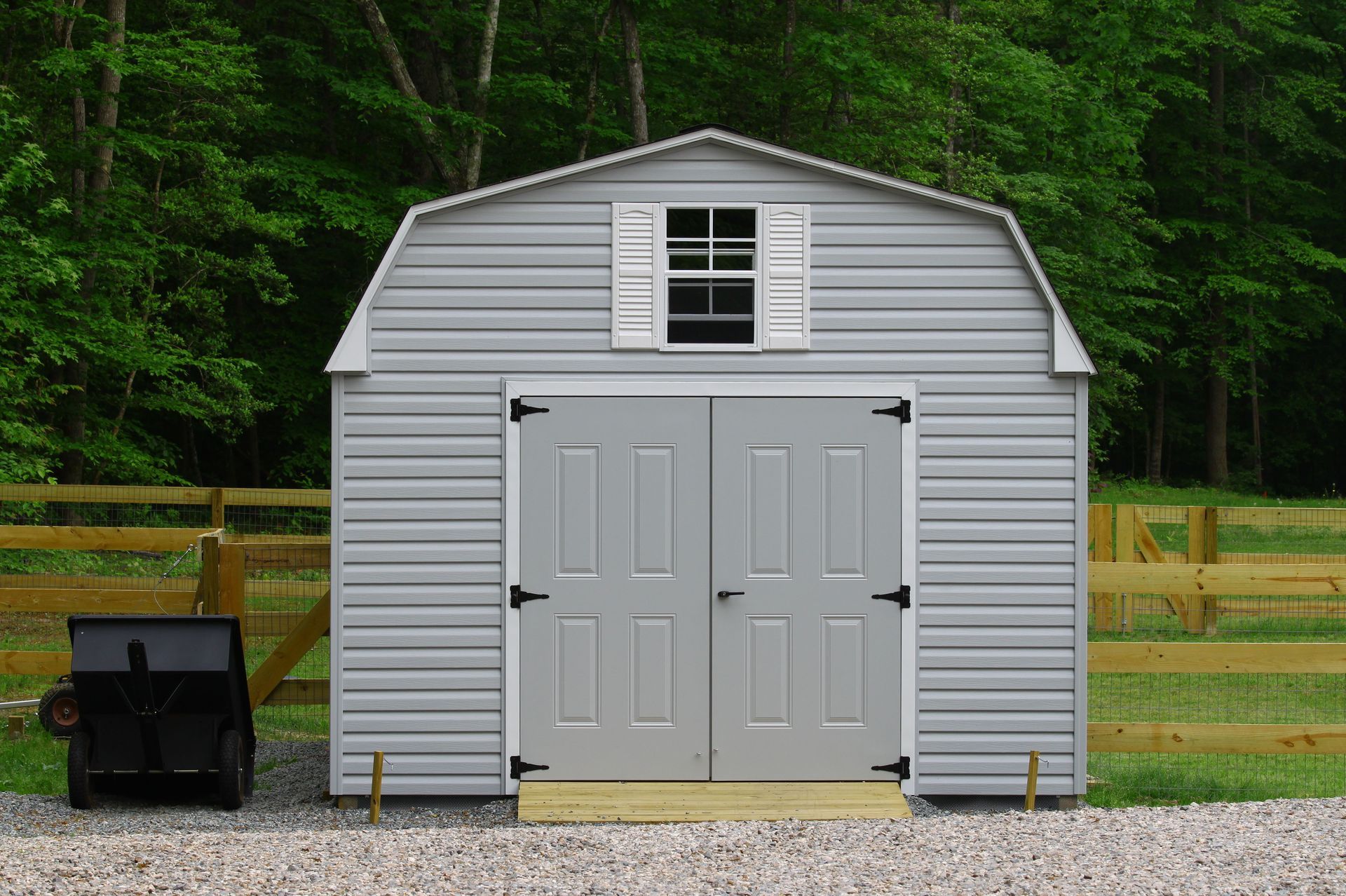
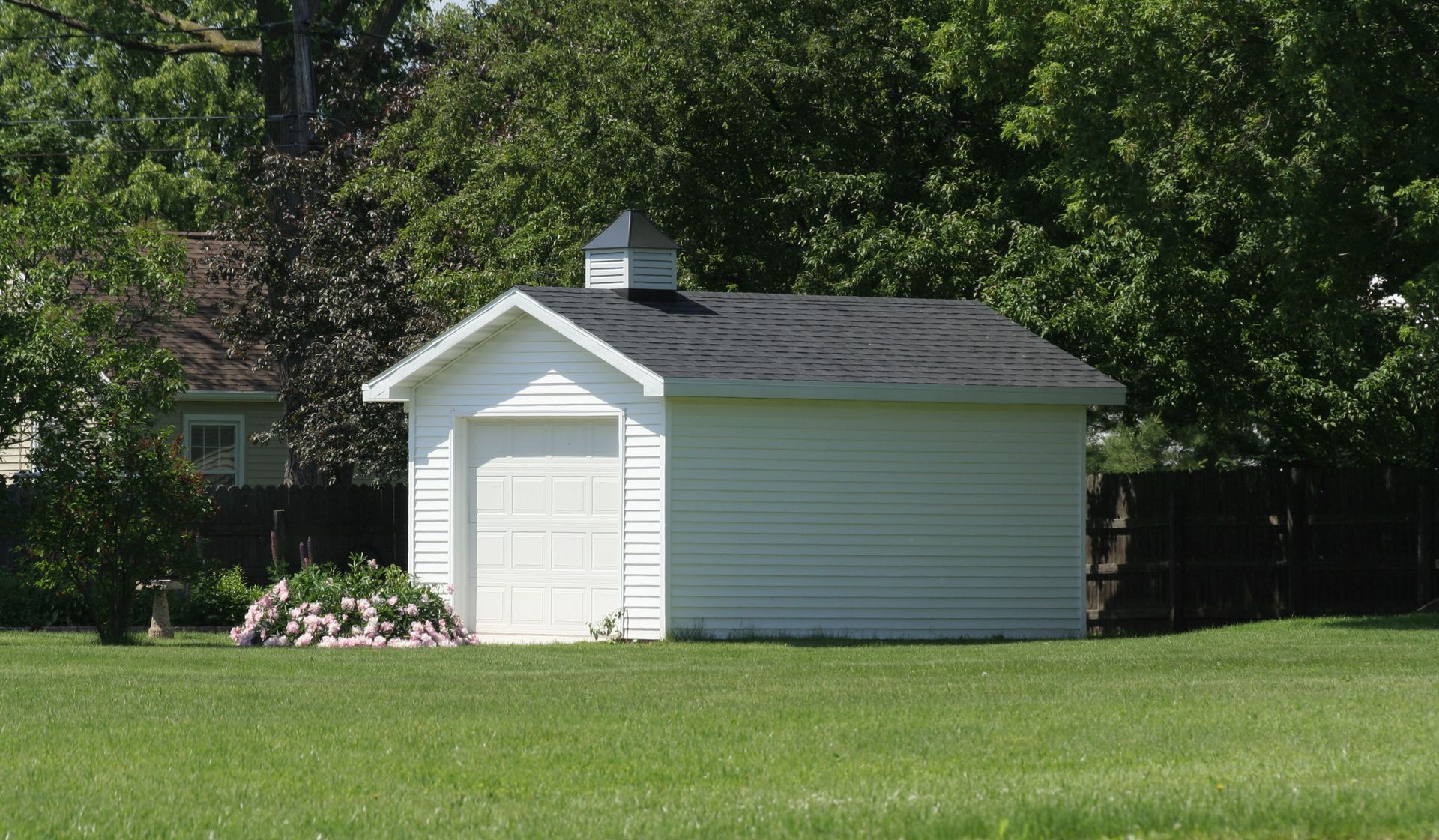
A shed should be designed around its intended purpose rather than selected on appearance alone. Consider what needs to fit inside, how frequently you will access those items, and whether you may need additional space later. A shed contractor should explain available sizes, roof styles, door configurations, windows, ramps, and other optional features. These choices affect convenience, storage capacity, and the building's overall appearance.
Consider how the structure will fit into your property's layout, too. A building for lawn equipment may require wide access, while a hobby space may benefit from natural light and additional room to move around. Its exterior should complement nearby buildings and fit the character of your yard. Discussing priorities early can help narrow the options and prevent spending money on features that do not serve your plans.
Reviewing Site Requirements and Installation Services
Even a well-built shed needs an appropriate location and a suitable base. Before finalizing an order, determine whether the proposed site has enough room for the building, required setbacks, drainage, and delivery access. Ask whether grading, foundation work, or other preparation is included in the estimate. Clear answers help you understand which responsibilities belong to the builder and which may require separate arrangements.
Delivery procedures deserve equal attention. Ask whether the building will arrive assembled or be constructed on site, what access is needed, and how it will be positioned. Narrow gates, slopes, trees, fences, and overhead obstructions may affect delivery, so share relevant site details in advance. Confirming these practical matters early can reduce avoidable delays and help installation proceed smoothly.
Understanding Permits and Local Requirements
Building regulations can affect a shed's size, placement, foundation, and permitted use. Requirements vary by municipality and property, so do not assume a structure is automatically exempt from approval because it is relatively small. According to This Old House, a compact shed might not require a permit, while a structure exceeding 10 by 12 feet may need one under applicable local rules. Verify the requirements before committing to a design or installation date.
Ask whether the company can help identify possible approvals and clarify who is responsible for obtaining them. Check local rules concerning property-line setbacks, easements, neighborhood restrictions, and electrical work if utilities are planned. A knowledgeable shed contractor should be willing to discuss these considerations and explain what you may need to confirm with the building department. Clear responsibilities can help prevent unexpected changes once the project is underway.
Comparing Estimates, Warranties, and Communication
Price matters, but an estimate is useful only when you understand what it covers. Compare dimensions, materials, included features, delivery fees, site preparation, installation, taxes, and optional upgrades. An unusually low quote may exclude items included in another company's proposal, so compare details rather than totals alone. Request a written estimate that identifies the selected model and explains additional charges that could affect the final price.
Communication is another important consideration. Notice how clearly the company answers questions, explains scheduling, document changes, and outlines payment terms. Ask for warranty information in writing and clarify how to report a problem with a component or installation. A shed contractor who communicates expectations clearly makes it easier to understand the process, coordinate the work, and know whom to contact after delivery.
Planning for Long-Term Use and Property Value
A shed should make sense for your property over time, not just meet an immediate need. Consider whether your storage requirements may change, whether the building could serve another purpose later, and whether its footprint will leave enough usable yard space. A flexible layout may remain useful as household equipment, recreational supplies, or work needs evolve. However, avoid selecting a structure that exceeds your available space or budget.
Long-term value also depends on maintenance expectations and service availability. Ask what routine care is recommended for your chosen materials and how the building is suited to your local climate. Review warranty terms, including exclusions and maintenance conditions. An experienced shed contractor can explain these considerations alongside the purchase price, helping you evaluate the building's likely costs and usefulness over its service life.
Choosing a Company That Fits Your Project
The right choice comes from considering the complete offering rather than a single selling point. Compare each company's design range, construction details, installation process, written estimates, warranty information, and responsiveness. Make sure the proposed structure meets your storage goals and suits the site, while allowing time for required approvals and preparation. A careful comparison helps you understand what you are purchasing and how the project will be handled.
Before making a final decision, confirm the important details in writing. Review the dimensions, materials, included options, delivery arrangements, schedule, payment terms, and responsibilities outside the quoted price. Ask for clarification whenever a description is vague or a key detail is missing. Selecting a
shed contractor with suitable building options and a clear process can make the investment easier to manage from planning through delivery.
At Sturdi-Bilt Buildings, we understand that every property and storage need is different. We offer building solutions for a range of practical uses, and we can help you explore options that fit your plans. Our team can discuss available designs, materials, features, and project considerations so you can make an informed selection. Contact Sturdi-Bilt Buildings to talk with us about your goals and take the next step toward a building that works for your property.