April 7, 2026
Selecting the ideal shed size is more than a quick decision—it requires thoughtful planning and a clear understanding of how the structure will serve you over time. From storing tools to creating a functional workspace, the right dimensions can make your setup more efficient and enjoyable. With careful consideration of your storage habits, property layout, and future goals, choosing the right fit becomes much more manageable. This guide walks you through how to choose the right size shed for your needs so you can invest confidently and make the most of your space.
Identifying Your Storage Priorities
Before choosing a shed, it’s important to understand exactly what you plan to store. Think beyond the obvious items like rakes and lawnmowers and include seasonal décor, outdoor furniture, and even recreational equipment. Creating a detailed list helps prevent underestimating your needs and ensures nothing important gets overlooked. Many homeowners find that once they begin listing items, their storage needs are greater than initially expected.
In fact, according to Global Growth Insights, more than 53% of households in the United States use outdoor sheds for storage or backyard projects. This statistic highlights just how common and versatile these structures have become. By carefully identifying your priorities early, you can avoid selecting a shed that feels inefficient shortly after installation.
Measuring Items and Mapping Space
Once you know what you need to store, the next step is to determine how much space those items require. Measuring larger equipment such as bikes, snowblowers, or workbenches gives you a clearer picture of the minimum dimensions needed. Smaller tools can often be grouped, but they still require thoughtful organization to maximize efficiency.
Planning the layout ahead of time can also make a big difference. Visualizing shelving, hooks, and walking space ensures that the shed remains functional rather than overcrowded. When choosing among outdoor sheds, leaving extra room for accessibility helps prevent frustration and keeps everything easy to reach when you need it.
Differentiating Seasonal and Daily Use
Not all stored items require the same level of accessibility. Some belongings are used regularly, while others only come out a few times a year. Separating these categories helps you design a shed layout that supports convenience and efficiency without wasting space.
Daily-use items should be positioned near the entrance, while seasonal belongings can be stored further back or higher up. This approach allows outdoor sheds to function more effectively throughout the year. By planning with usage frequency in mind, you create a setup that feels intuitive and easy to maintain.
Anticipating Future Storage Needs
Choosing a shed based only on current needs can lead to limitations down the road. Over time, it’s common for homeowners to accumulate additional tools, equipment, or hobby materials. Planning for future growth ensures your shed continues to meet your needs without requiring an upgrade too soon.
Adding even a small buffer of extra space can make a significant difference. Whether you’re considering new outdoor equipment or expanding into DIY projects, having room to grow increases the long-term value of outdoor sheds. A slightly larger investment upfront often saves both time and money later.
Incorporating Workspace Functionality
For many homeowners, a shed is more than just a storage unit—it’s also a workspace. Whether you enjoy woodworking, gardening projects, or simple repairs, having a dedicated room to work comfortably can enhance productivity and enjoyment. This requires careful planning beyond basic storage dimensions.
Including space for a workbench, tools, and movement is essential. Without enough room to operate, the shed can quickly become cluttered and impractical. Thoughtfully designed outdoor sheds can serve multiple purposes, blending storage with functionality in a way that supports both organization and creativity.
Comparing Standard and Custom Sizes
Sheds generally come in a range of standard sizes, each suited to different needs. Smaller options are ideal for basic storage, while medium and larger sheds can accommodate equipment and workspace areas. Understanding these size categories helps narrow down your choices more efficiently.
However, custom options may be worth considering if your needs fall outside typical dimensions. Custom-built outdoor sheds allow you to tailor the size and features to match your exact requirements. While they may require a higher investment, the added flexibility often results in a better long-term solution.
Evaluating Placement and Property Space
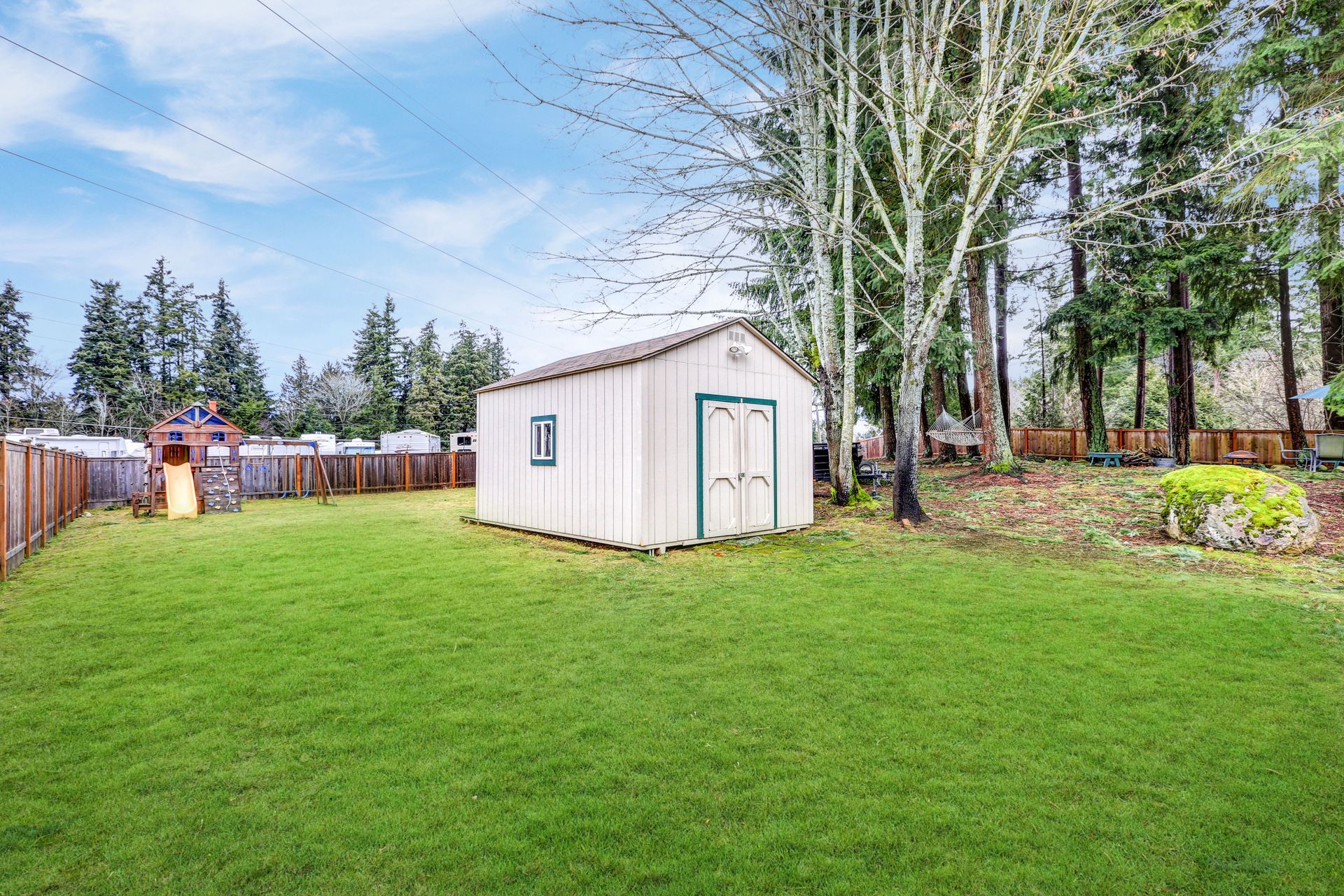
The available space on your property plays a major role in determining the right shed size. Even if a larger structure meets your storage needs, it must fit comfortably within your yard without overwhelming the surrounding area. Balancing size with aesthetics ensures your shed enhances rather than detracts from your outdoor environment.
Accessibility is another key factor when choosing a location. Placing your shed too far from frequently used areas can make it less convenient, while poor placement may limit functionality. When positioning outdoor sheds, consider both ease of access and how the structure integrates with your existing layout.
Understanding Local Regulations and Limits
Before finalizing your shed size, it’s important to check local regulations that may impact your decision. Many areas have zoning laws or homeowner association guidelines that limit shed dimensions or dictate placement requirements. Overlooking these rules can lead to delays or additional expenses.
Taking time to understand these restrictions ensures a smoother installation process. It also helps you avoid investing in a shed that doesn’t comply with local standards. By aligning your plans with regulations, you can move forward with confidence and peace of mind.
Considering Environmental Factors and Foundation
The environment surrounding your shed can influence both its size and longevity. Ground stability, drainage, and exposure to weather all play a role in determining the best setup. A larger shed may require a more robust foundation, while smaller options can sometimes be installed with minimal preparation.
Ensuring the ground is level and properly prepared prevents structural issues over time. Weather conditions such as heavy snow or strong winds may also impact your decision. Taking these factors into account allows outdoor sheds to remain durable and reliable for years to come.
Maximizing Interior Organization and Layout
After selecting the right size, how you organize the interior plays a major role in how effective your shed truly is. Strategic use of shelving, pegboards, and overhead storage can dramatically increase usable space without requiring a larger footprint. Vertical storage solutions are especially helpful for keeping frequently used tools within reach while freeing up floor space for larger equipment.
A well-planned layout also improves efficiency and reduces clutter over time. Grouping similar items and maintaining clear walkways ensures that everything remains accessible and easy to manage. Even with properly sized outdoor sheds, poor organization can limit functionality, so taking the time to optimize the interior setup ensures you get the most value out of your investment.
Choosing the right shed size involves more than simply picking a structure that looks appealing. It requires a thoughtful evaluation of your storage needs, plans, and property limitations. By carefully considering each of these factors, you can select a shed that truly supports your lifestyle and keeps your space organized.
Ultimately, the goal is to create a balance between functionality and practicality. When you take the time to plan effectively, outdoor sheds become a valuable addition to your home, offering both convenience and versatility. With the right size in place, you’ll enjoy a more organized and efficient outdoor space for years to come. If you are in the Bastrop, TX area and are considering having a shed installed, contact the professionals at Sturdi-Bilt Buildings today.